Office Clearance in Mitcham for desks, furniture and day-to-day business waste
Office clearance in Mitcham needs to be organised, discreet and practical, especially when a workplace is being emptied, reconfigured or taken back to a simpler layout. We help with the removal of unwanted office contents so that business premises can be cleared in a structured way, with attention to reusable furniture, mixed items and general office clutter. The work can support refurbishments, relocations, partial clearances and straightforward end-of-use removals without turning the process into a bigger disruption than it needs to be.
Our service is centred on commercial office contents rather than household-style clearing, so the focus stays on desks, chairs, filing items, cupboards, shelving, monitors, small equipment and similar workplace materials. Where useful, we can separate items that need different handling and keep the clear-out moving in a sensible sequence. If you are planning a clearance in Mitcham, the aim is to make it easier to decide what should stay, what should go and how the remaining space can be left ready for the next stage.
For many customers, the first step is simply to identify the rooms, items and access points involved. A brief description of the office layout, the kind of contents present and any time restrictions is often enough to begin planning the work. Clear instructions usually lead to a clearer quotation, because they help define the volume of items, the type of furniture and any handling considerations that may apply. Plain, accurate information is more useful than a long list of assumptions.
Office furniture and workstation clearance
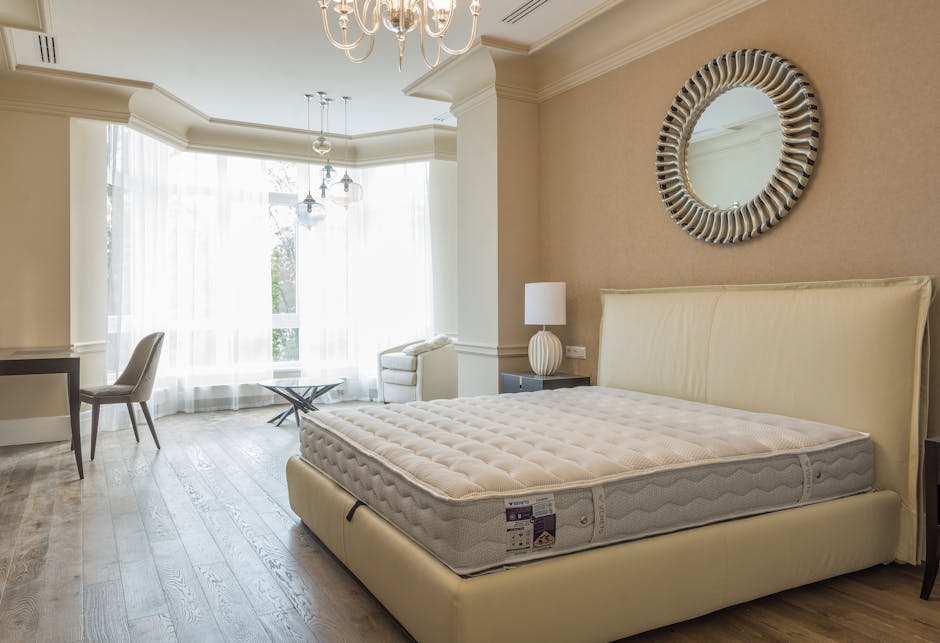
Desks, task chairs, pedestal units and meeting tables are common items in office clearances, and they often need to be moved in a sequence that avoids blocking walkways or trapping smaller items behind larger ones. We deal with the practical side of removing these contents so that the room can be stripped back in a controlled way. In some cases, that means taking out a few worn pieces from an active workspace; in others, it means clearing an entire floor or suite in one planned visit.
Workstations can include cable trays, monitor arms, partitions and storage units that require a little more care than a simple furniture lift. The exact approach depends on the layout and the condition of the items, especially where fittings are fixed, awkward or mixed with loose equipment. Furniture clearance is useful where the main task is to remove office furniture efficiently while keeping the remaining area easy to manage.
When office furniture is removed in stages, it can help to separate what is staying from what is leaving before the clearing begins. That makes it easier to protect items that are still in use and to avoid unnecessary movement through busy parts of the building. If you are arranging a broader clear-out, our team can work through the office in a sensible order so that the space becomes usable again without forcing a full shutdown of the premises.
Filing, storage and mixed office contents

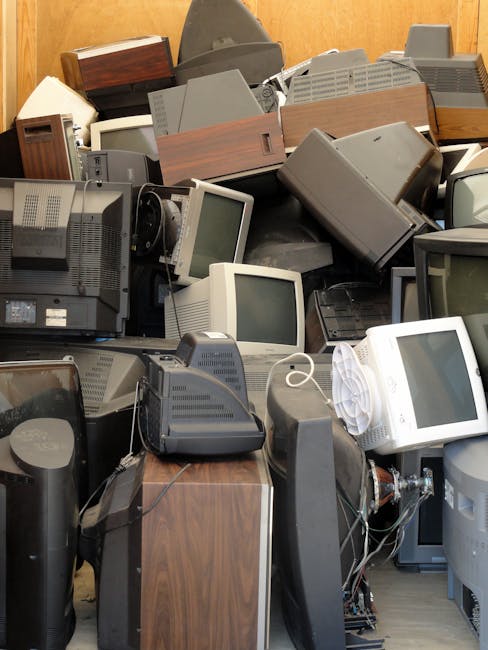
Many office clearances involve more than just furniture. Filing cabinets, storage boxes, archive material, small appliances, displays and general workplace contents can build up over time, and each type of item may need to be handled differently. We can remove mixed office contents in a way that keeps the job organised, especially where there are several categories of waste or bulky items sharing the same room. This is often the most efficient route when a space has accumulated a wide range of unused materials.
Paper records, folders and archived documents may be part of the clearance even when the larger focus is on desks or cupboards. These items should be sorted carefully so that the person responsible for the office can keep hold of anything confidential or still required. If the job also includes furniture and fixtures, a combined plan can reduce repeated handling. Business waste removal is relevant when office contents and regular commercial waste need to be addressed together in one organised visit.
In practical terms, it often helps to decide which rooms hold the heaviest concentration of contents and which spaces can be cleared first without affecting operations. That may include stock rooms, print areas, storage corners or meeting rooms that have been used for overflow. A structured clearance avoids the common problem of moving items around without reducing the overall load, and it gives the customer a clearer sense of progress as the work goes on.
Partial clearances and room-by-room planning
Not every office project involves emptying a whole building. Sometimes only one suite, one floor, a back office or a reception area needs attention. Partial clearances are useful where a business wants to keep operating while unused items are removed from selected areas. That can include old seating, redundant storage, displays, broken equipment or surplus furniture that no longer matches the current layout. The work can be adapted to the scale of the space rather than forcing an all-or-nothing approach.
When room-by-room clearance is the right option, a simple plan usually works best. Identify the areas to be cleared, decide whether any items will remain in place and note anything that is awkward to carry or dismantle. If there are several distinct parts of the office to deal with, it may be sensible to group them by priority rather than by item type. Office clearance is the core service for customers who want a straightforward removal of workplace contents without overcomplicating the job.
Practical planning also helps when the office contains a mix of old and current equipment. For example, a modern workstation might sit beside obsolete shelving, loose accessories and boxed archive material. Clearing one section at a time can make the whole process easier to supervise, particularly where staff still need access to shared facilities. It also makes it simpler to protect items that remain in use and to avoid unnecessary disruption in the rest of the premises.
What is usually removed during an office clearance
The contents of an office can vary widely, but the main categories are often easy to recognise. Desks, chairs, storage units, filing cabinets, reception furniture, small electrical items and assorted workplace accessories are all common. Depending on the job, there may also be printers, screens, shelving, notice boards and meeting-room furniture. A good clearance focuses on the specific items that have become redundant while keeping the useful parts of the workspace intact.
Some office items are light but bulky, while others are heavy and awkward to move through narrow corridors or shared entrances. That means the removal process has to be planned around both the item and the building. If a clearance includes large pieces of furniture, a sensible route through the property can make the work easier and reduce the chance of delays. Furniture disposal is a relevant page when the main concern is the removal of unwanted office furniture as part of a broader clearing job.
Useful items may be separated from waste at the point of clearance if the customer has already decided what is being retained. That is one of the reasons a simple walkthrough or written summary can be helpful before the job begins. It reduces confusion during the removal itself and makes it easier to keep the clearance aligned with the office’s practical needs rather than treating every room as if it were the same.
H3: Clearing furniture, equipment and residual clutter
Office clearances are not limited to the obvious furniture pieces. Residual clutter often includes stacks of documents, spare office supplies, broken chairs, obsolete accessories and items left behind after a team has moved on. These smaller pieces can take time to sort because they are spread across drawers, cupboards and shared surfaces. A thorough clearance deals with that leftover material as part of the overall removal, not as an afterthought once the big items have gone.
Where equipment is involved, the job may include lightweight items from desks and breakout areas rather than specialist technical removals. In a typical office environment, the key question is whether the item is part of the working setup or no longer needed. Flat clearance is not the main service here, but the page can still be useful for customers looking at a smaller-scale clearance approach when the contents are limited and the layout is straightforward.
It is often worth deciding in advance which residual items should be left undisturbed, especially if the office is still partly occupied. This can include personal belongings, active paperwork and any equipment that is being reused elsewhere in the building. A careful distinction between live workspace items and surplus clutter helps the clearance stay focused, efficient and less disruptive than a blanket removal of everything in sight.
About Mitcham
Mitcham is a district in south-west London within the London Borough of Merton, known for a layered history that combines older settlement patterns with later suburban growth. The area’s identity is closely tied to the River Wandle and the broad green spaces that follow its corridor, including Mitcham Common, which remains one of the most recognisable landscape features. The common has long shaped local character, providing open ground that contrasts with the built streets around it and supporting a sense of continuity between past and present. Mitcham’s historic core includes St Peter and St Paul’s Church, a landmark associated with the older village centre, while the surrounding streets show the gradual expansion that came with transport links and nineteenth- and twentieth-century development. Parts of the area retain traces of earlier rural and industrial uses, and the local street pattern still reflects the meeting point of old lanes, residential neighbourhoods and commercial frontage. The district also sits close to the line of the Wandle Trail, which connects the area to a wider network of waterways, parks and walking routes across south London. This mix of open space, historic fabric and everyday urban life gives Mitcham a distinctive character that is different from nearby centres with a more uniform suburban plan. Cultural life is shaped by local high streets, schools, places of worship and community facilities, while the common remains an important setting for recreation and informal gathering. In architectural terms, Mitcham includes a blend of older buildings, post-war development and later infill, so the place presents a varied streetscape rather than a single dominant style. That variety is one reason the area can feel both rooted and practical, with a strong local identity that is still closely connected to the wider London context.
Scheduling, access and clear quotation details

When planning an office clearance, access details matter because they affect how the work can be carried out on site. Stairs, lifts, loading points, narrow corridors, shared entrances and building rules can all influence the pace of the job. If the office is on an upper floor or in a busy shared property, it helps to know how items will be moved and whether there are any restrictions on arrival, parking or collection windows. Those practical points can be considered before the work begins.
For a quotation, it is usually enough to describe the type of office, the rooms involved and the main categories of items to be removed. A rough idea of volume is useful, as is any information about heavy furniture, mixed contents or items that need careful handling. Pricing and quotes may help if you want to understand how clearances are generally assessed and what information is relevant when asking for a figure.
The aim is not to create unnecessary admin, but to make the job clear enough that the quote reflects the actual clearance rather than a guess. Simple, accurate detail about the premises and contents is often enough to avoid back-and-forth later. If the office is still active, it is also sensible to note which areas must remain accessible so that the work can be planned around day-to-day business use.
Recycling, reuse and responsible handling
Office clearances often produce a mixture of reusable furniture, recyclable materials and general waste, so the handling approach should match the type of items being removed. Chairs, desks and storage units may be suitable for onward use in some cases, while other items are simply ready to be taken away as part of the clearance. The important point is that the job is sorted in a sensible order rather than treated as one undifferentiated load.
Separating materials where practical can make a commercial clearance more orderly and can help avoid unnecessary mixing of different item types. That applies to furniture, packaging, small accessories and everyday office waste. Recycling and sustainability is a useful page for customers who want to see how responsible handling fits into the wider approach to waste and clearance work.
In a working office, responsible handling is also about keeping the process tidy and predictable. A clearance that is planned around item type, room order and building access is easier to control than one that begins without any structure. That is particularly important where the office contains a mixture of old stock, active work areas and items that may still have value or use elsewhere.
H3: Making the site ready for the clearance visit
A few simple preparations can make the office clearance easier to carry out. It helps if the items to be removed are identifiable, if any access points are kept clear and if the areas that must remain in use are clearly separated from the rest. That does not mean the office has to be tidied to perfection; it means the work can begin with less uncertainty and fewer interruptions once the team arrives. A little organisation beforehand often saves time during the clearance itself.
If the office contains several rooms, it can be helpful to note which ones hold the largest or heaviest items and which ones contain smaller residual clutter. That gives a clearer picture of the sequence in which the job should happen. Contact us when you are ready to discuss the scope of the clearance and request a quotation based on the actual contents and access arrangements.
We can then look at the practical details together and shape the removal around the needs of the property rather than forcing it into a one-size-fits-all pattern. If you are clearing a single room, a suite or a larger office, the best starting point is usually a straightforward description of what needs to go. Call for a quotation, or send the details when you are ready.