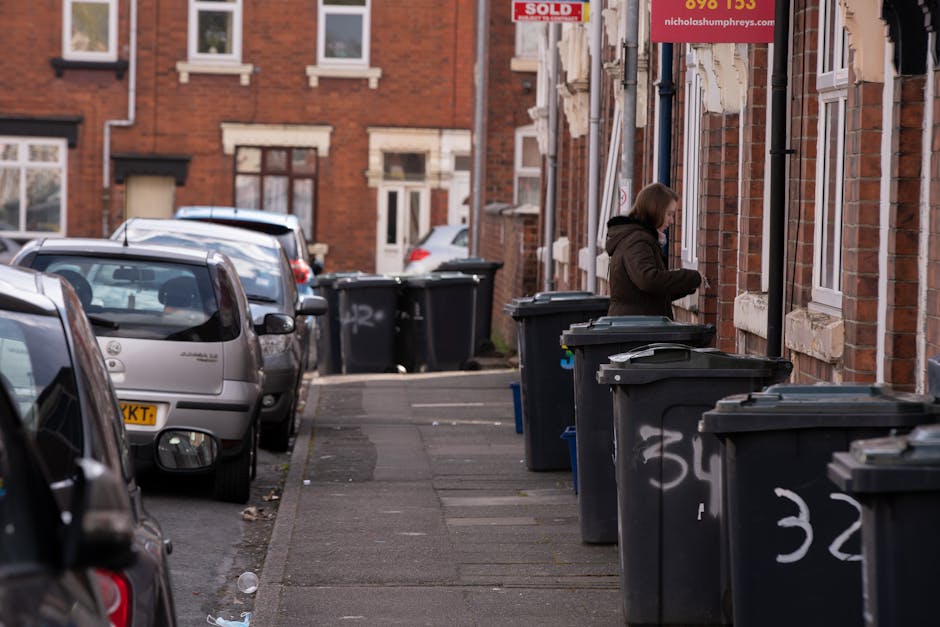
Merton Council bulk rubbish rules for Mitcham homes: a practical guide for getting rid of large items the right way
If you live in Mitcham and you are staring at an old sofa, a broken wardrobe, or a heap of garden clutter, the rules around bulky waste can feel strangely fiddly. The good news is that Merton Council bulk rubbish rules for Mitcham homes are manageable once you understand the basics: what counts as bulk waste, what you can leave out, what needs special handling, and when a private clearance is the better option. This guide walks you through the practical side of it in plain English, so you can clear space without second-guessing yourself.
Truth be told, most people do not need a lecture on waste policy. They need to know what to do on a busy weekday evening when the hallway is blocked and the stuff has to go. So let's keep it grounded, useful, and local.
Table of Contents
- Why Merton Council bulk rubbish rules for Mitcham homes matters
- How Merton Council bulk rubbish rules for Mitcham homes works
- Key benefits and practical advantages
- Who this is for and when it makes sense
- Step-by-step guidance
- Expert tips for better results
- Common mistakes to avoid
- Tools, resources and recommendations
- Law, compliance, standards, or best practice
- Options, methods, or comparison table
- Case study or real-world example
- Practical checklist
- Conclusion
- Frequently asked questions
Why Merton Council bulk rubbish rules for Mitcham homes Matters
Bulk rubbish rules matter because large items are not treated the same way as day-to-day bin waste. A mattress, chest of drawers, broken table, or bagged-up renovation offcuts can cause problems if they are placed out incorrectly. They may block pavements, attract complaints from neighbours, or simply be missed altogether. In a place like Mitcham, where streets can feel tight and front gardens are small, a badly timed or badly presented pile can become an eyesore fast.
There is also a safety angle. Large items can be heavy, awkward, or sharp. A cracked mirror leaning against a wall or a splintered chair frame can turn into a minor hazard in seconds. Add in wet weather, early-morning foot traffic, and the usual rush of family life, and it is easy to see why councils set clear boundaries.
For homeowners, tenants, landlords, and even people clearing a relative's property, the rules are useful because they give structure to what can otherwise become a stressful, messy job. If you know what is accepted, how to present it, and when to choose a different disposal route, you save time and avoid the sort of mistake that makes you mutter under your breath while dragging a wardrobe back inside. Not ideal.
How Merton Council bulk rubbish rules for Mitcham homes Works
At a practical level, bulky waste collection usually means arranging for large household items to be removed through the council's service rather than leaving them out with normal refuse. The exact process can change over time, so the safest approach is always to check the latest local instructions before booking. That said, the workflow tends to follow the same general pattern.
What is usually classed as bulk rubbish?
Typical bulk items include furniture, white goods, mattresses, old shelving, rugs, and similar large household objects. Some things are straightforward; others are not. For example, a sofa is usually a standard bulky item, but anything with electrical components, hazardous materials, or special handling needs may need a separate arrangement.
People often ask, "If it is big, can I just leave it out?" The answer is not always. Presentation matters. Items may need to be booked, placed in the right spot, and separated from ordinary rubbish. In many cases, loose waste bags are not treated as bulky waste at all.
What can make an item unsuitable?
Items may be refused or require another route if they are:
- too heavy for normal collection handling
- hazardous or potentially contaminated
- construction waste rather than household bulky waste
- mixed with general rubbish in a way that makes sorting difficult
- left in a location that is hard to access safely
This is where a bit of judgment helps. A garden shed panel and a broken dining chair are not the same as a pile of rubble from a DIY job. They may look like "stuff to take away," but waste services classify them differently.
What Mitcham homes should plan for
For many homes in Mitcham, access is the key issue. Narrow paths, shared entrances, parking restrictions, and front steps all affect how bulk waste can be collected. If you live in a flat or a maisonette, you may also need to think about shared hallways, stairwells, and whether the collection point can be reached without blocking other residents. That is one reason some people choose a private waste removal service for awkward clearances; it can be more flexible when access is tight or the load is larger than expected.
Key Benefits and Practical Advantages
Getting bulk waste handled properly is not just about ticking a box. There are real, practical benefits, and some of them become obvious the moment the clutter is gone. You can breathe again. The room feels bigger. The hallway stops looking like a storage unit on a bad day.
- Cleaner kerb appeal: A clear front space makes the home look tidier and more cared for.
- Less stress: You avoid guessing whether you have done the disposal correctly.
- Better safety: Heavy or broken items are removed without leaving trip hazards behind.
- More space quickly: Useful when you are moving, redecorating, or dealing with inherited items.
- Better sorting: Reusable or recyclable items can be separated rather than dumped in one heap.
There is also a less obvious benefit: momentum. Once one large item goes, the rest of the room suddenly feels doable. That is often what people need most, especially after a long week when the sofa has been "temporary" for three months. Happens more than people admit.
Who This Is For and When It Makes Sense
This guidance is for anyone in Mitcham who needs to clear one or more large household items and wants to stay within local rules. The most common situations are refreshingly ordinary.
- Homeowners replacing old furniture or clearing a spare room
- Tenants moving out and dealing with unwanted furniture
- Landlords preparing a property between lets
- Families dealing with inherited items after a bereavement
- Busy households where a sideboard, mattress, or old appliance has outstayed its welcome
It also makes sense to think about bulk rubbish rules before a renovation or room redesign. If you are replacing wardrobes, lifting carpets, or emptying a loft, the waste can stack up quickly. In those cases, a more flexible service such as home clearance or house clearance may be more practical than trying to manage one bulky item at a time.
And yes, some people could technically wait for council collection. But if you are on a deadline, or you simply do not want the front of your home looking like a holding area for an abandoned wardrobe, the faster route may be the calmer route.
Step-by-Step Guidance
If you want to stay on the right side of Merton Council bulk rubbish rules for Mitcham homes, a simple step-by-step approach is usually enough.
- Identify each item clearly. Make a list of what needs to go. Separate furniture, electricals, garden waste, and builder-type waste.
- Check whether the items are allowed. Some things need special handling, and some are not bulky waste at all.
- Measure awkward pieces. If something needs to go through a narrow hallway or shared entrance, measure it now, not when you are already halfway through the job.
- Decide on the disposal route. Council bulk collection may suit a small number of items; a private clearance may suit mixed or urgent loads.
- Prepare the items properly. Remove loose contents, empty drawers, and separate anything hazardous or prohibited.
- Place items where instructed. Usually this means a safe, accessible location, not blocking the pavement or neighbours' access.
- Keep proof of booking or instructions. Handy if there is any confusion on collection day.
A small but important tip: take a photo of the items and the placement point before the collection date. If something gets moved, damaged, or missed, you have a clear reference. It sounds basic, but it saves headaches.
Expert Tips for Better Results
Here is where the practical difference really shows. A smooth bulk rubbish clearance is usually the result of good preparation, not luck.
Group items by disposal type
Do not mix everything into one pile and hope for the best. Group furniture together, electricals together, and anything that might be recyclable or reusable separately. This helps you decide what can go with a normal bulk collection and what needs another path.
Think about access before collection day
In Mitcham, access can be the hidden problem. A garden table is fine in theory, but if it has to go over three steps, through a tight side gate, and past a parked car, the situation changes. It is much easier to sort access in advance than to discover the issue at the front door with two people standing there, one holding a cushion and looking mildly defeated.
Prioritise reuse where sensible
Some furniture is simply worn out. Other items still have life left in them. If a piece is usable and safe, think carefully before sending it away. Reuse is often better than disposal, and recycling-friendly services can make that easier. You can also look at the company's approach to recycling and sustainability if you want your disposal choice to be a bit more considered.
Be realistic about time
People often underestimate how long it takes to sort a loft, garage, or spare bedroom. What starts as "just a couple of bits" can become a full afternoon. If you are already under pressure, a more complete service such as loft clearance or garage clearance may be the calmer option.
Common Mistakes to Avoid
Most bulk rubbish problems are avoidable. The same few mistakes tend to crop up again and again.
- Leaving items out without checking the rules and assuming collection will happen automatically
- Mixing household bulky waste with builder's rubble or renovation debris
- Including hazardous materials without confirming a safe route
- Blocking pavements or entrances and causing access issues for neighbours
- Forgetting about electrical items that may need different handling
- Leaving dismantling too late and discovering the item does not fit through the door
One classic example: someone sets out a sofa, a broken lamp, several bin bags, and a bit of plasterboard all together. To the homeowner it is just "the junk pile." To a collection service, it can be a mixed load with different rules. That is where delays happen.
Another easy mistake is assuming a collection can be arranged at the last minute. Sometimes it can. Sometimes not. Better to plan ahead than to find yourself standing in the rain on a Sunday morning trying to decide whether the mattress can wait until next week. Spoiler: it usually can.
Tools, Resources and Recommendations
You do not need much to handle bulk rubbish well, but the right few things make a noticeable difference.
- Measuring tape: Useful for doors, hallways, stairs, and awkward furniture
- Gloves: Basic protection for splinters, dust, and sharp edges
- Marker pen and labels: Handy if multiple rooms are being cleared
- Camera phone: For photos of items, access points, and before/after records
- Storage bags or boxes: For separating screws, loose contents, or hardware
If you are dealing with more than just one or two items, it can help to think in terms of clearance categories rather than "rubbish." For example, a combined job may include furniture, old shelving, and a few bags from the loft. That is when services like furniture clearance or a broader waste removal arrangement can be easier to manage than trying to split everything up yourself.
If your priority is comparing options, keep your decision simple: what is the load, how fast do you need it gone, and how much effort do you want to spend preparing it? That usually answers the question better than overthinking it.
Law, Compliance, Standards, or Best Practice
When dealing with bulk waste in Mitcham, the safest approach is to follow the current local collection instructions and general UK waste best practice. Exact council rules can change, so it is wise to check the latest guidance before you book or leave anything out. That is not being cautious for the sake of it. It is just sensible.
There are a few common principles worth keeping in mind:
- Do not place waste where it creates a hazard for pedestrians, neighbours, or collection crews.
- Separate hazardous items and do not assume they can be handled as ordinary bulky rubbish.
- Use a licensed and responsible disposal route if you hire a private service.
- Keep records where appropriate, especially for larger clearances or landlord-managed properties.
- Respect shared access in flats, terraces, and converted homes.
For domestic properties, best practice usually means keeping the load tidy, accessible, and accurately described. For anything beyond a simple sofa or mattress, ask yourself whether the item really belongs in a standard bulky collection. If it is mixed with construction debris, damaged electricals, or items that smell damp after sitting in a loft for years, a more tailored disposal plan is often the safer choice.
Private providers should also be transparent about what they take, how they handle waste, and whether they separate recyclable material. That is one reason it helps to review practical pages such as insurance and safety, health and safety policy, and terms and conditions before booking. A little diligence goes a long way.
Options, Methods, or Comparison Table
There is no single right way to clear bulky waste from a Mitcham home. The best method depends on volume, urgency, access, and how mixed the items are. Here is a straightforward comparison.
| Method | Best for | Pros | Trade-offs |
|---|---|---|---|
| Council bulky waste collection | A small number of standard household items | Simple, familiar, often suitable for basic clear-outs | May need advance booking, may have item restrictions, and access rules can be strict |
| Self-haul to disposal point | People with transport and time | Direct control over timing | Heavy lifting, vehicle load limits, and multiple trips can be tiring |
| Private waste removal | Urgent, mixed, or awkward clearances | Flexible, fast, and helpful for bulky mixed loads | Usually costs more than doing it yourself |
| Full property clearance | Lofts, garages, homes, or probate clearances | Handles larger volumes and more item types in one visit | Needs a little more planning up front |
For example, a single mattress and chair may be perfectly suited to a council route. A garage full of broken shelving, old suitcases, garden pots, and a few heavy cabinets? That is where a more complete option, such as house clearance or home clearance, often makes more sense.
Case Study or Real-World Example
Picture a typical Mitcham semi in the evening, around half past six. The family has finished dinner, the living room is half-packed for a redecoration project, and an old sofa is sitting in the corner, taking up more space than it deserves. There is also a broken coffee table, a stack of flat-pack packaging, and a wardrobe that finally gave up after years of being slammed shut a bit too enthusiastically.
At first glance, it looks like a standard bulk rubbish job. But once they measure the hallway, they realise the wardrobe is too awkward to move in one piece. The cardboard packaging is not bulky waste at all. The sofa is fine, but the table has sharp edges, and the whole pile is making the room feel smaller by the minute.
The practical solution is usually to break the job into parts: remove anything reusable, separate the packaging, dismantle the wardrobe if possible, and choose the right disposal route for the remaining items. In that sort of scenario, a local clearance service can be a calmer choice than trying to juggle a council collection around a tight schedule. If the load is mixed or the access is awkward, a service like flat clearance can also be useful for smaller homes where stairs and shared access make everything a little more complicated than expected.
The key lesson? The quickest route is not always the simplest route. Sometimes a neat, well-planned clearance ends up saving time because you do not have to keep moving the same object around the house three times.
Practical Checklist
Before you arrange or put out bulky waste in Mitcham, run through this checklist.
- Have I identified every item that needs to go?
- Do any items contain electrical, hazardous, or special materials?
- Is this truly bulky waste, or is some of it builder's waste or general rubbish?
- Have I checked the latest local collection instructions?
- Can the items be moved safely without blocking access?
- Do I need to dismantle anything first?
- Have I separated reusable items from disposal-only items?
- Is there enough space for collection without causing problems for neighbours?
- Do I need a council collection, self-haul, or a private service?
- Have I kept a note of the booking, instructions, or photos?
That last point is worth repeating. Keep it simple, keep it tidy, and keep it documented if needed.
Conclusion
Merton Council bulk rubbish rules for Mitcham homes are really about making large-item disposal safe, tidy, and predictable. Once you understand what counts as bulky waste, how access affects collection, and when another disposal method is more suitable, the whole process becomes much easier. You do not need to overcomplicate it. You just need to match the job to the right route.
For a single sofa or mattress, council collection may be enough. For mixed, awkward, urgent, or larger clearances, a more flexible service can save time and a fair bit of stress. Either way, the goal is the same: clear the space, avoid mistakes, and do it properly.
If you are dealing with a bigger home clearance, a cluttered loft, or furniture that has outgrown its usefulness, a trusted local service can make the process far smoother than tackling it piece by piece.
Get a free quote today and see how much you can save.
And if nothing else, there is a small, very human satisfaction in looking at a cleared room at the end of the day. Quiet. Open. Done.
Frequently Asked Questions
What counts as bulk rubbish in a Mitcham home?
Bulk rubbish usually means large household items such as furniture, mattresses, and other oversized objects that do not fit in normal bins. Some items need special handling, so it is worth checking before you leave anything out.
Can I leave bulky waste outside my house whenever I want?
Not usually. Bulk waste normally needs to be booked or arranged according to the local collection instructions. Leaving items out without following the rules can lead to missed collection or complaints.
Do broken electrical items count as bulky waste?
Sometimes they are collected separately, but electricals often have their own disposal rules. A broken television, lamp, or appliance should not automatically be treated like a sofa or table.
What happens if I mix garden waste and furniture together?
Mixed loads can create problems because different waste types may need different handling. It is usually better to separate them, especially if you want the disposal to go smoothly.
Is council bulky waste collection better than private waste removal?
It depends on the job. A council collection may suit a small number of standard items. Private waste removal is often better for mixed, urgent, or hard-to-access clearances.
How should I prepare items before collection?
Empty drawers, remove loose contents, separate dangerous materials, and make sure the items are placed where collection can happen safely. If possible, take photos so you remember exactly what was set out.
What if my bulky item will not fit through the door?
Then dismantling may be needed before collection. This is very common with wardrobes, bed frames, and large shelving. Measure first, because discovering the problem mid-lift is a bit of a mood killer.
Can I use a clearance service for just one item?
Yes, many people do. A single large sofa, mattress, or cabinet can still be worth collecting privately if the timing or access is awkward.
What if I live in a flat or shared property in Mitcham?
Shared entrances, stairs, and hallways can affect how waste is removed. In those cases, a service that understands flat access and stairwells may be easier to manage.
Are there items that should never go in a bulk rubbish collection?
Yes. Hazardous materials, heavily contaminated items, and certain construction wastes often need different disposal routes. If in doubt, treat the item cautiously rather than assuming it is allowed.
How do I know if I need a house clearance instead?
If you are dealing with several rooms, a loft, a garage, or a property full of mixed items, a broader clearance is often more sensible than a single bulky waste collection.
Can I book a service if I want recycling to be considered?
Yes, many people prefer that. If sustainability matters to you, look for a provider that explains how they separate reusable and recyclable materials. That way, the job feels a bit more thoughtful, not just faster.