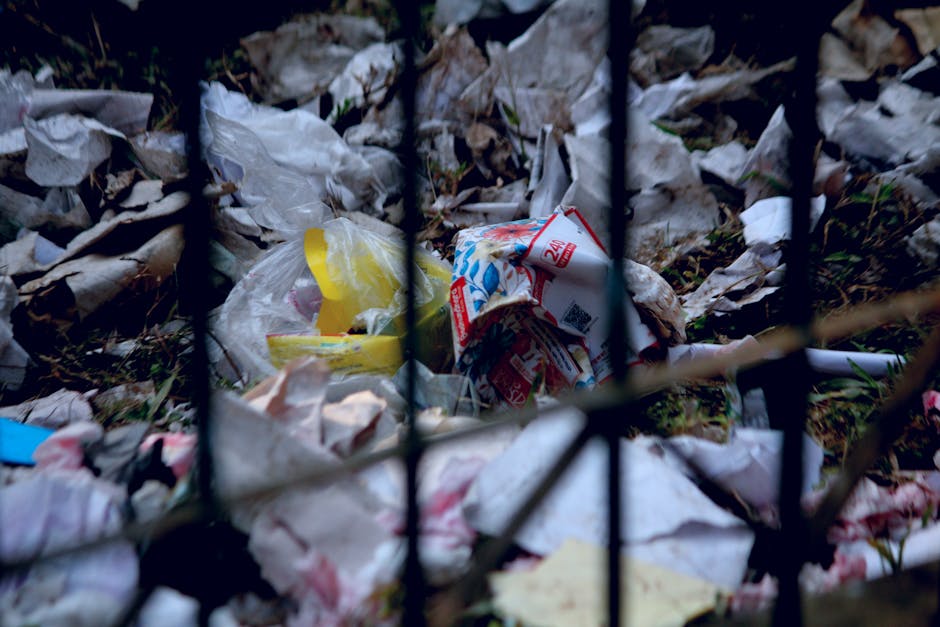
Fly-tipping near Mitcham Junction: reporting and removal
Fly-tipping near Mitcham Junction can feel messy, stressful, and oddly personal. One morning the street looks ordinary; by lunchtime there's a broken sofa, bags of rubble, or a heap of black sacks sitting where nobody wants them. If you're trying to work out how to report it, who should remove it, and what happens next, you're in the right place. This guide explains fly-tipping near Mitcham Junction: reporting and removal in plain English, with practical steps for residents, landlords, businesses, and anyone dealing with waste that has been dumped where it should never have been.
You'll find out what to do first, how to avoid common mistakes, when a private removal service makes sense, and how to keep the situation from dragging on. Truth be told, the fastest solution is usually the one that starts with the right information, not a frantic phone call. Let's make it simple.
Table of Contents
- Why Fly-tipping near Mitcham Junction: reporting and removal Matters
- How Fly-tipping near Mitcham Junction: reporting and removal Works
- Key Benefits and Practical Advantages
- Who This Is For and When It Makes Sense
- Step-by-Step Guidance
- Expert Tips for Better Results
- Common Mistakes to Avoid
- Tools, Resources and Recommendations
- Law, Compliance, Standards, or Best Practice
- Options, Methods, or Comparison Table
- Case Study or Real-World Example
- Practical Checklist
- Conclusion
- Frequently Asked Questions
Why Fly-tipping near Mitcham Junction: reporting and removal Matters
Fly-tipping is more than an eyesore. Near busy areas like Mitcham Junction, dumped waste can block pavements, attract pests, create trip hazards, and make a place feel neglected fast. If a pile is left for days, it can spread. Bags split. Rain soaks in. Sharp items get hidden underneath. Before long, what started as "just a few bags" becomes a proper problem.
There's also the local knock-on effect. People tend to notice dumped waste more when they're passing through rail stations, main roads, estates, or retail areas. It affects how safe and cared-for the area feels. And let's face it, if you live nearby, you don't want to spend your morning stepping around broken furniture and mystery rubbish.
That's why reporting and removal need to work together. Reporting helps the right party become aware of the issue. Removal gets the space usable again. Do one without the other and the problem often lingers.
In practical terms, good fly-tipping response helps with:
- keeping walkways clear and safer for pedestrians
- reducing smells, pests, and contamination
- protecting kerbs, entrances, and shared spaces
- supporting a better impression of the area
- avoiding delays that can make cleanup more expensive
If you're a homeowner, landlord, shopkeeper, or managing an access route near the station, prompt action really does matter. A small delay can turn into a bigger job, and nobody wants that.
How Fly-tipping near Mitcham Junction: reporting and removal Works
The process is usually straightforward, though not always as quick as people would like. First, identify the waste type and location. Then decide whether the issue sits on public land, private land, or shared access space. That detail changes who should handle it.
For waste on public land, the local authority is often the first point of contact. For waste on private land, the landowner or responsible occupier usually needs to arrange removal. In some situations, if the waste is blocking access, creating a hazard, or contains bulky or mixed materials, a private clearance service can be the most efficient next step.
There's a difference between reporting fly-tipping and removing it. Reporting creates a record and alerts the relevant body. Removal is the physical clearance and disposal of the waste. If you need both done quickly, make sure the service you contact can handle the full job, not just the paperwork side of things.
One practical point many people miss: not all dumped waste is the same. A single mattress is a very different job from builders' waste, a pile of plasterboard, or mixed rubbish contaminated with food. The disposal route, time required, and vehicle needed can vary quite a bit. That's why a good description helps. Photos help too, if you can safely take them without getting too close.
If you already manage property in the area, it can help to have a reliable waste support plan in place. For example, some readers pair this kind of response with broader services such as builders waste removal or bulky waste collection when the dumped items are too large for normal disposal routes.
Key Benefits and Practical Advantages
When fly-tipping is dealt with quickly and properly, the benefits are surprisingly broad. The obvious one is a cleaner space. But there's more to it than that.
- Faster hazard reduction: sharp objects, broken glass, and unstable piles are cleared sooner.
- Better public image: tidy surroundings reduce the "this is a dumping spot" effect. That matters near transport links.
- Lower follow-on costs: the longer waste sits, the more likely it is to spread, smell, or attract extra dumping.
- Less stress for residents and occupiers: people want to know the issue is being handled, not ignored.
- Clearer responsibility: reporting documents what happened, which is helpful if the waste is on shared or borderline land.
A less obvious benefit is peace of mind. If you've ever walked past a dumped pile every day, you know the feeling. It gets under your skin. Once it's gone, the area feels normal again. Small thing? Maybe. But it makes a difference.
Practical takeaway: the best fly-tipping response is usually a two-part action - report the issue to establish responsibility, then arrange removal without unnecessary delay.
Who This Is For and When It Makes Sense
This topic matters to more people than you might think. Fly-tipping near Mitcham Junction doesn't only affect people who live immediately next to the waste pile. It can affect anyone with a stake in the space.
Residents
If rubbish has appeared near your home, flat block, shared path, or parking area, you may need to report it and decide whether it's on council land or private land. Residents often want the fastest route to a safe, tidy result, especially when waste is close to entrances or communal bins.
Landlords and managing agents
Landlords often need a practical, low-drama solution. Mixed waste in a rear alley or access lane can quickly turn into a complaint from tenants or neighbours. If you manage multiple properties, a responsive local waste plan is worth its weight in gold. It saves the "who is meant to deal with this?" conversation, which nobody enjoys.
Businesses
Shops, cafes, workshops, and light industrial sites can be hit by fly-tipping at the worst possible time. A blocked loading area or unsightly pile near the frontage affects customer impressions and sometimes operations. Quick clearance helps keep business moving.
Housing associations and facilities teams
For larger estates or managed blocks, reporting is only half the job. You also need documentation, access planning, and a service that can deal with bulky or mixed waste safely.
When private removal makes sense
Private removal often makes sense when:
- the waste is on your land or within your responsibility
- the site needs urgent clearance
- you need a single visit rather than a back-and-forth
- the waste is bulky, awkward, or too much for standard bins
- you want predictable timing rather than waiting for a general service window
If you're unsure where responsibility sits, take a careful look at the boundary and access points before jumping to conclusions. Borderline cases happen all the time. They really do.
Step-by-Step Guidance
Here's a sensible way to handle fly-tipping near Mitcham Junction without making the situation more complicated than it needs to be.
- Make the area safe. Keep clear of broken glass, needles, liquids, or unstable piles. If there's any risk, don't poke around for clues.
- Take a few photos from a safe distance. Capture the location, the type of waste, and anything that shows scale. If there are vehicle marks, bags, or labels visible, note them down.
- Check whether it's public or private land. This is the decision point that matters most. Public land usually needs council reporting. Private land usually needs the owner or occupier to act.
- Report the issue promptly. Use the relevant local reporting route or property management channel. Keep your note short but clear: where it is, what it is, and whether it blocks access.
- Decide on removal. If the waste is yours to clear, choose a method that fits the scale and timing. For bulky or mixed waste, a specialist collection is often the neatest answer.
- Confirm access and timing. Make sure gates, keys, parking space, and collection instructions are all sorted. Half the delays in waste jobs are access issues, not the removal itself.
- Document the outcome. Keep a simple record of what was reported, when it was removed, and by whom. That helps if the same spot becomes a repeat problem.
One tiny but useful habit: if the waste appears repeatedly in the same place, note the time of day it tends to show up. Early morning? Late evening? That pattern can help with prevention later.
Expert Tips for Better Results
After enough waste clearances, a few things become obvious. The difference between a smooth job and a frustrating one usually comes down to preparation.
Tip 1: Be specific about the waste. "Some rubbish" is too vague. Say whether it's household waste, garden waste, rubble, furniture, packaging, or mixed loads. Mixed loads often need different handling.
Tip 2: Don't wait for a pile to get worse. A small dump can become a bigger one almost overnight. That's not dramatic, just realistic. Fly-tipping tends to attract more fly-tipping if it sits there looking ignored.
Tip 3: If the site is awkward, mention that early. Narrow alley? Basement access? No lift? Shared courtyard? Tell the service upfront. A five-second heads-up can save a wasted visit.
Tip 4: Keep a clean handover. If you're a tenant, managing agent, or business owner, make sure whoever is arranging the job knows what has been agreed. Simple, but often overlooked.
Tip 5: Think about prevention while it's fresh in your mind. Good lighting, lockable gates, clearer signage, and regular checks can reduce repeat dumping. No system is perfect, but a little deterrence helps.
If you also need related property clearance work, it may be worth looking at garden waste removal or house clearance so you can deal with multiple waste issues in one visit. That's often the more efficient option, especially for landlords and busy households.
Common Mistakes to Avoid
People usually don't get fly-tipping wrong because they don't care. They get it wrong because they're trying to solve it quickly, and that can lead to rushed decisions.
- Assuming someone else will handle it: if the waste is on your land, silence won't move it.
- Touching hazardous items: broken glass, syringes, chemicals, and unknown liquids need caution.
- Ignoring access details: if the removal team can't reach the site, the job stalls.
- Using the wrong disposal route: bulky or mixed waste needs the right handling, not a guess.
- Failing to report repeat dumping: a pattern matters. It helps build a record and may support prevention measures.
- Overfocusing on speed and underfocusing on responsibility: fast is good. Accurate is better.
A small human truth here: most people only notice how annoying fly-tipping is after they've had to live with it for a week. By then, the smell, the mess, and the visual clutter have done their work. Better to act early.
Tools, Resources and Recommendations
You don't need a toolkit the size of a van just to report and arrange removal, but a few things make the job easier.
Useful things to have to hand
- your phone camera for clear photos
- the exact location or nearest landmark
- a note of whether the waste is on public or private land
- basic access details such as gates, parking, or entry codes
- a rough idea of the load size: single item, few bags, or full clearance
Practical recommendations
If the waste is bulky, heavy, or mixed, choose a service that can handle the full load in one go. That avoids split jobs and repeated disruption. If the issue is part of a larger clearance, combining services is often easier than arranging separate visits.
For broader waste and site-clearance planning, readers often find it useful to review related services like waste disposal, rubbish removal, and same day rubbish removal. These pages can help you compare the sort of support that fits an urgent situation versus a planned clearance.
If you're dealing with a property issue rather than a one-off pile, office clearance may also be relevant for commercial spaces where dumped waste becomes part of a wider tidy-up. Not every case needs a big operation. Sometimes it's just the right sized job, done properly.
Law, Compliance, Standards, or Best Practice
Fly-tipping sits in a legal and compliance-sensitive space, so it's worth being careful and sensible rather than casual. In the UK, waste must be handled responsibly, and that includes making sure it ends up with a legitimate collector or disposal route. If you're a business, landlord, or managing agent, the paper trail matters more than people sometimes expect.
Best practice usually means:
- checking who is responsible for the land
- keeping a note of the incident and the removal
- making sure any waste carrier or clearance provider is legitimate
- avoiding informal "mate with a van" arrangements without proper checks
- separating hazardous materials from ordinary rubbish where needed
For ordinary household items, the process is often simple. But if the waste includes unknown materials, electrical items, chemicals, sharp waste, or anything that looks unsafe, take a more cautious approach. You do not want a quick fix that creates a bigger problem later. That would be, well, a bit of a headache.
Best practice also includes prevention. Shared bins, secure access, clear signage, and regular monitoring can all help. Near transport-linked areas like Mitcham Junction, where people move quickly and sightlines change a lot through the day, prevention is often half the battle.
Options, Methods, or Comparison Table
If you're choosing how to deal with fly-tipping near Mitcham Junction, the main options usually come down to reporting, council-led action, private clearance, or a mixed approach. Each has a place.
| Option | Best for | Strengths | Watch-outs |
|---|---|---|---|
| Report only | Issues on public land or where responsibility is unclear | Creates a record, alerts the right body | May not resolve the issue quickly |
| Council-led removal | Waste on public land | Official route, appropriate for public spaces | Timing can vary depending on priority and capacity |
| Private clearance | Waste on private land or urgent site issues | Often faster and more flexible | You need to confirm responsibility and access |
| Combined report + private removal | Shared or borderline spaces | Creates a record and gets the site cleared | Needs clear communication to avoid duplication |
In many real situations, the best choice is a combined one. Report it so the incident is documented, then arrange removal if the land or risk profile puts the duty on you. That's especially sensible for landlords and commercial occupiers who can't afford the site to sit in limbo.
Case Study or Real-World Example
Here's a realistic example based on the kind of situation people often face near busy transport routes.
A small business owner near Mitcham Junction notices a load of mixed waste left beside the rear access area early on a Monday. It includes cardboard, old shelving, broken plastic, and a couple of tied black bags. At first glance it looks minor. By the next day, one bag has split open, and passers-by have added a takeaway cup and more litter. Not ideal.
The owner photographs the pile from a safe distance, checks the access route, and confirms the waste is on private land. Rather than waiting for the mess to spread, they arrange a removal service that can handle mixed waste and bulky items in one visit. They also note the time the waste appeared and raise the issue with the property manager to review lighting and access control.
The important bit? The site is cleared before it starts affecting customers or attracting more dumping. A small problem stayed small. That's the outcome you want.
Sometimes the win is not dramatic. It's just getting your morning back.
Practical Checklist
Use this quick checklist if you need to act on fly-tipping near Mitcham Junction.
- Confirm the waste is safely viewed from a distance
- Take clear photos without interfering with the scene
- Note the exact location and nearest landmark
- Work out whether the land is public or private
- Report the issue to the relevant party
- Decide whether you need a private removal service
- Share access details, load size, and any hazards
- Keep a simple record of the report and clearance
- Consider prevention steps if dumping happens repeatedly
- Follow up if the waste is still there after a reasonable period
Quick reminder: if anything looks hazardous, keep your distance and avoid handling it. Common sense first.
Conclusion
Fly-tipping near Mitcham Junction is one of those problems that can look minor from a distance but quickly becomes a nuisance if nobody acts. The smartest approach is simple: identify the land, report the issue properly, and arrange prompt removal when it's your responsibility. That way you protect safety, reduce stress, and keep the area from becoming a repeat dumping spot.
Whether you're a resident dealing with an unexpected mess, a landlord trying to protect a property, or a business needing the area cleared without delay, the right response is practical, calm, and prompt. That's the real difference. Not drama. Just steady action that gets the waste gone and the place back to normal.
If you need help with waste that has appeared suddenly, get a free quote today and see how much you can save.
Frequently Asked Questions
What should I do first if I see fly-tipping near Mitcham Junction?
Start by checking whether the waste is on public or private land, then take a safe photo and report it to the relevant party. If it's on your land, arrange removal as soon as you can.
Who is responsible for removing fly-tipped waste?
Responsibility usually depends on where the waste is located. Public land is commonly handled through the local authority route, while private land is generally the landowner or occupier's responsibility. If in doubt, check the boundary and access points carefully.
Can I move fly-tipped waste myself?
Only if it is safe and lawful to do so. Avoid handling hazardous items, sharp materials, or unknown waste. If you're unsure what's inside bags or whether the waste is contaminated, it's better not to touch it.
How quickly should fly-tipping be removed?
As quickly as possible, especially if it blocks access, attracts more dumping, or creates a safety issue. For private land, prompt action is usually the best way to prevent the situation from spreading.
What details help when I report fly-tipping?
Use the exact location, type of waste, approximate amount, and a few photos from a safe distance. If you noticed vehicle marks, timings, or repeat dumping patterns, include those too.
Is fly-tipping the same as illegal dumping?
Yes, the terms are often used interchangeably in everyday conversation. Fly-tipping is the UK term most people use for waste dumped unlawfully.
Do I need a specialist service for bulky waste?
Often, yes. Bulky items like furniture, mattresses, and mixed loads can be awkward to move and dispose of properly. A suitable clearance service is usually quicker and less stressful than trying to handle it in stages.
What if the waste keeps appearing in the same spot?
Repeated dumping usually means the site needs prevention as well as removal. Improve lighting, access control, signage, or monitoring where possible, and keep a record of the incidents. Patterns matter.
Can fly-tipping affect a business near Mitcham Junction?
Very much so. It can affect first impressions, block access, and create a poor environment for customers and staff. In commercial settings, fast clearance is often worth acting on immediately.
How do I know whether to report it or arrange removal right away?
If the waste is on public land, reporting is usually the first step. If it's on your private land, or if the issue needs urgent clearance, arrange removal as well. In many cases, doing both is the safest route.
What kind of waste is most common in fly-tipping cases?
Common examples include black bags, household rubbish, furniture, garden waste, rubble, cardboard, and mixed construction debris. The exact load matters because it affects how the waste should be handled.
Can a landlord or managing agent arrange clearance on behalf of a tenant?
Yes, provided they are responsible for the land or have authority to act. In managed buildings, that's often the most practical approach because it keeps the response organised and documented.
Whatever the situation looks like right now, the key is not to let it sit and become "tomorrow's problem." A clear head and the right next step make a bigger difference than people expect.